
Biofilm Control
What is Biofilm?
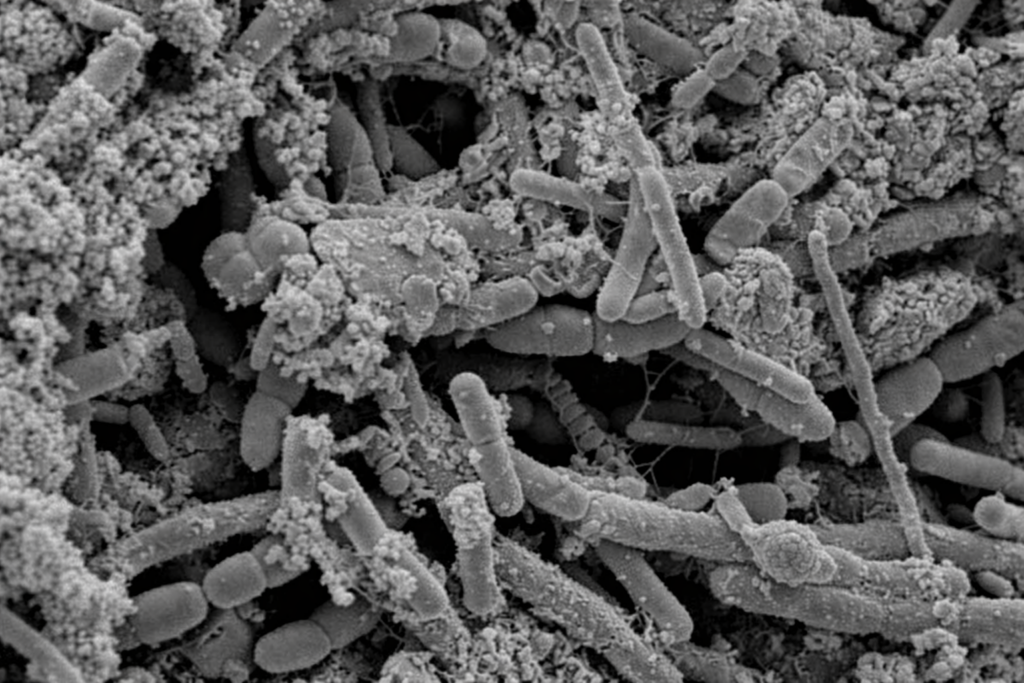
Biofilm is a complex layer of microorganisms that forms on the inner surfaces of water systems, pipes and equipment. These microorganisms embed themselves in a self-produced protective matrix that allows them to survive, multiply and resist external treatments.
Unlike free floating bacteria in water, biofilm attaches firmly to surfaces and develops over time. Once established, it becomes a permanent source of contamination, continuously releasing microorganisms into the water flow.
Biofilm can develop in drinking water systems, industrial installations, agricultural water lines and medical environments. Its presence is often invisible, yet its impact on water quality, hygiene and system integrity can be significant.
Why Biofilm is a Serious Problem
Biofilm represents a serious and long-term risk for water quality, hygiene and system performance. Once established, it acts as a constant reservoir for bacteria, pathogens and microorganisms that can repeatedly contaminate the water.
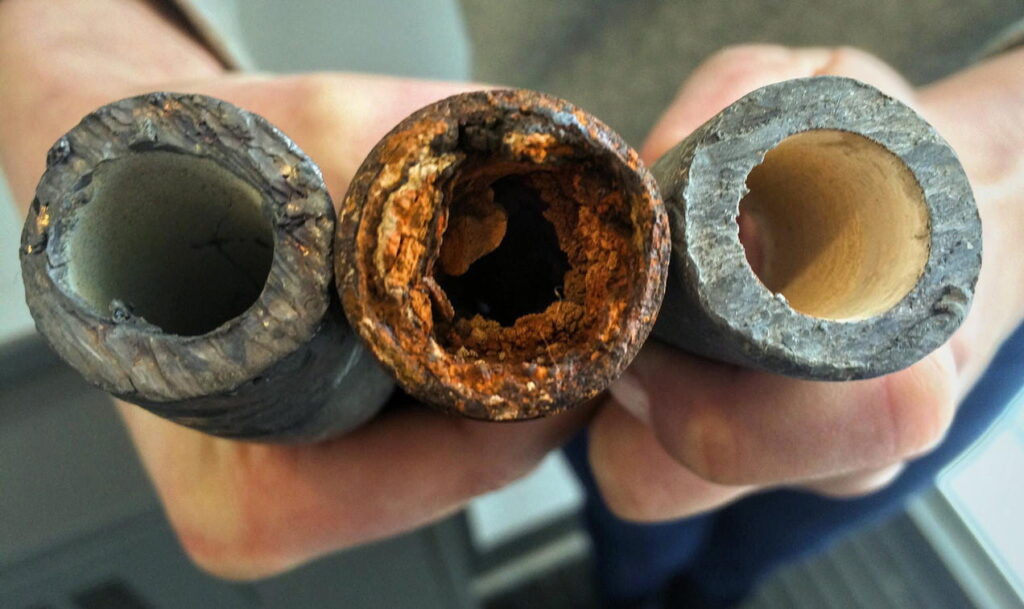
This leads to increased health risks, including the spread of harmful bacteria such as Legionella, E. coli and other waterborne pathogens. In addition to health concerns, biofilm negatively impacts system efficiency by reducing flow capacity, accelerating corrosion and increasing maintenance costs.
Because biofilm develops gradually and often remains undetected, its effects are frequently underestimated until problems become critical. At that point, corrective measures are more complex, costly and disruptive.
Our Approach to Biofilm Control
Our approach to biofilm control focuses on addressing the root cause rather than temporary symptoms. We work with targeted disinfection strategies designed to penetrate the biofilm structure and disrupt its protective matrix.
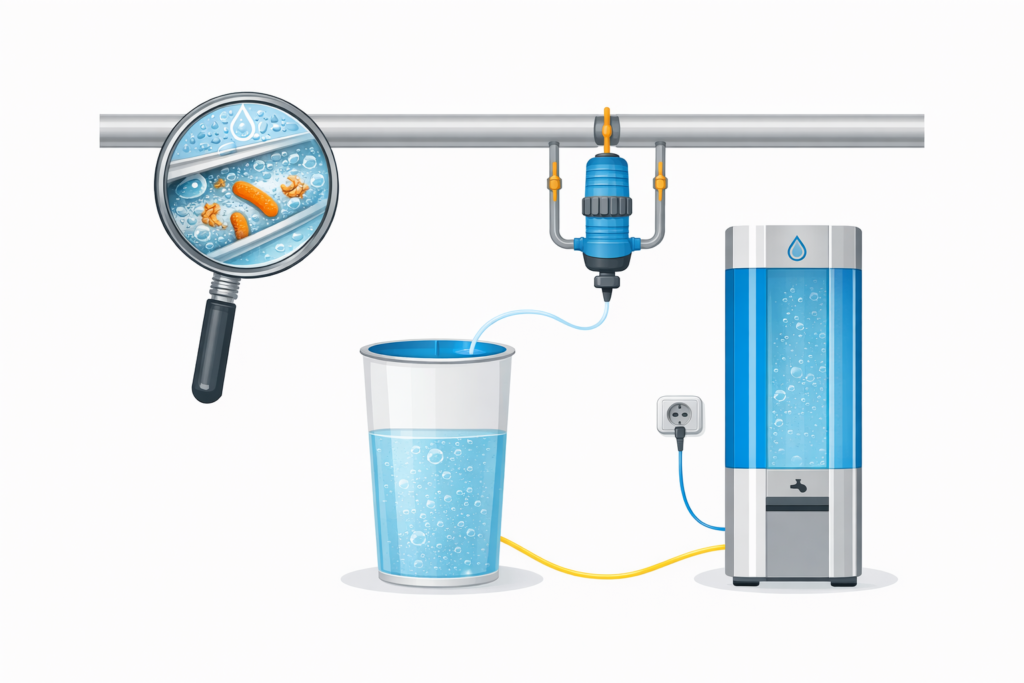
By combining controlled hypochlorous acid (HOCl) based solutions with system specific treatment protocols, we help reduce existing biofilm and prevent its reformation. This approach is effective, scalable and compatible with drinking water systems, industrial installations and agricultural applications.
Each solution is adapted to the specific conditions of the water system, including pipe materials, usage patterns and microbiological risks. The result is improved water quality, reduced health risks and more reliable long-term system performance.
Keep your environment safe.